Archives
- 2026-10
- 2026-09
- 2026-08
- 2026-07
- 2026-06
- 2026-05
- 2026-04
- 2026-03
- 2026-02
- 2026-01
- 2025-12
- 2025-11
- 2025-10
- 2025-09
- 2025-03
- 2025-02
- 2025-01
- 2024-12
- 2024-11
- 2024-10
- 2024-09
- 2024-08
- 2024-07
- 2024-06
- 2024-05
- 2024-04
- 2024-03
- 2024-02
- 2024-01
- 2023-12
- 2023-11
- 2023-10
- 2023-09
- 2023-08
- 2023-07
- 2023-06
- 2023-05
- 2023-04
- 2023-03
- 2023-02
- 2023-01
- 2022-12
- 2022-11
- 2022-10
- 2022-09
- 2022-08
- 2022-07
- 2022-06
- 2022-05
- 2022-04
- 2022-03
- 2022-02
- 2022-01
-
TH287 Further examination of these vmat IR cells
2023-10-25
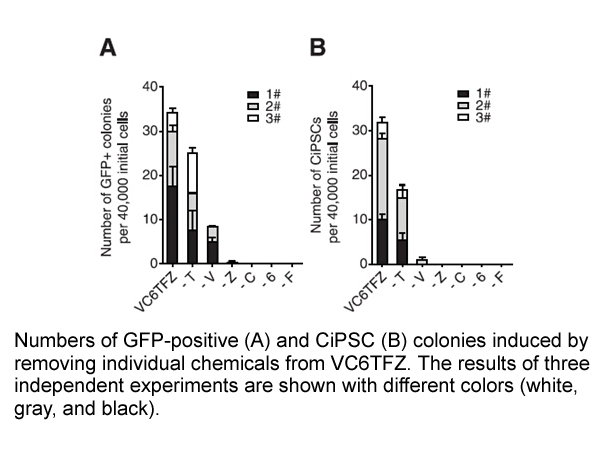
Further examination of these vmat-IR cells shows that they are also positive for vimentin (vim-IR) (Fig. 3A). However, within any one cell there may be a region of weaker vmat-IR, suggesting sub-cellular localization. As also shown in Fig. 3B and C not all vim-IR cells are vmat-IR suggesting that th
-
br Materials and methods br
2023-10-24
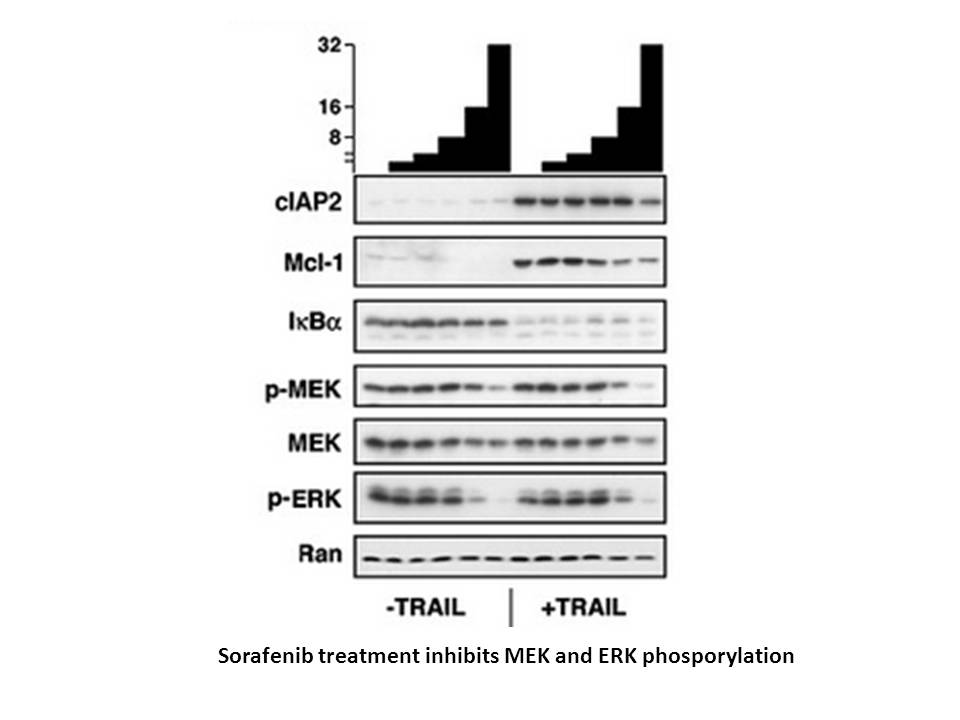
Materials and methods Results Discussion Author contributions JH purified protein, performed vanadate inhibition experiments, crystallized, collected data, determined and refined the ATX-VO5 structure, analysed all the structures, prepared the displayed items and supervised ALHE; WJK con
-
In Antirrhinum floral organ identity genes include DEFICIENS
2023-10-24
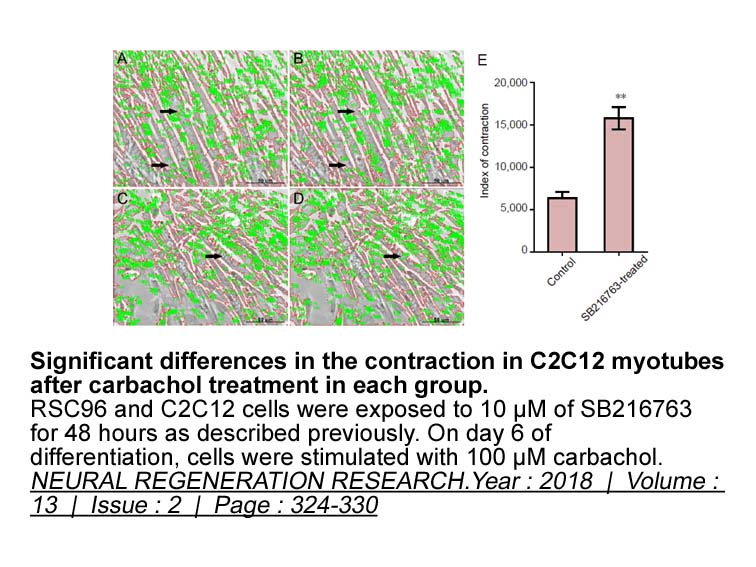
In Antirrhinum, floral organ identity genes include DEFICIENS (DEF) (Sommer et al., 1990) and GLOBOSA (GLO) (Trobner et al., 1992) required for petal and stamen identity (B-function), PLENA (P) required for stamen and carpel formation (C-function) (Bradley et al., 1993) and SQUAMOSA (SQUA) which is
-
1,2-Dimyristoyl-sn-glycerol mg Several combination studies h
2023-10-24
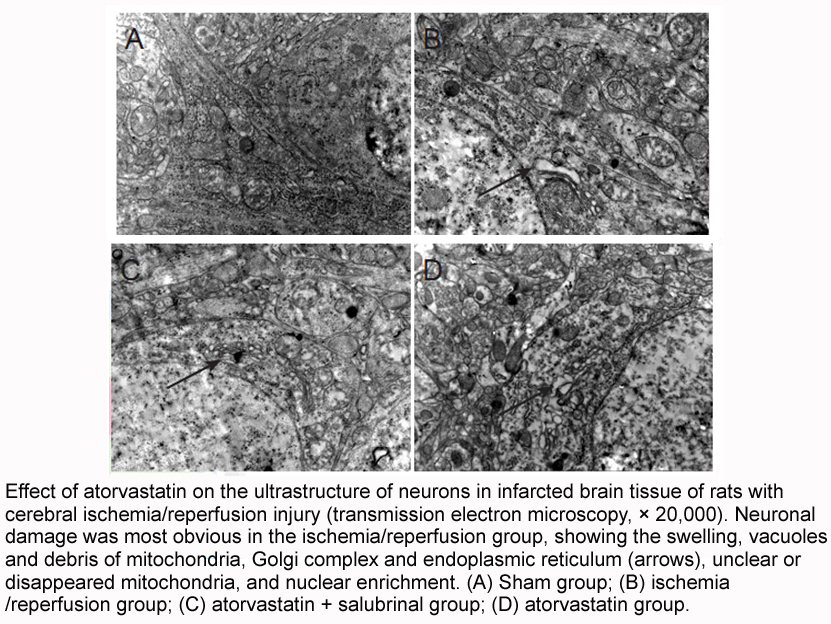
Several combination studies have been performed using animal models of mucormycosis, principally involving R. arrhizus. In two investigations using diabetic and/or neutropenic mice, a combination of a polyene with an echinocandin was shown to improve survival compared with monotherapies [25], [34].
-
NS 1619 and LO are members of the lipoxygenase family
2023-10-24
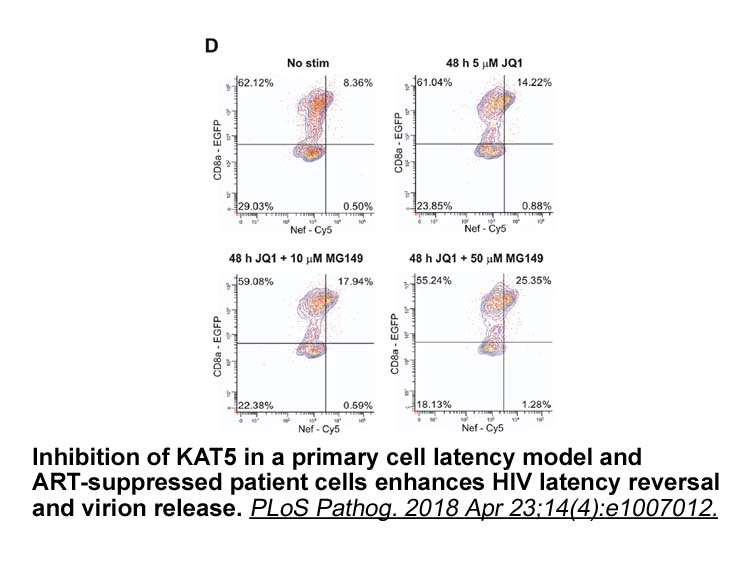
5- and 12/15-LO are members of the lipoxygenase family that convert arachidonic NS 1619 into lipid mediators such as leukotriene B4 (LTB) and 12()-hydroxyeicosatetraenoic acid (HETE) and 15()-HETE, respectively. Evidence from several in vitro and in vivo studies has shown that activation of the 5-
-
Some of the earliest LOX inhibitors were redox inhibitors in
2023-10-24
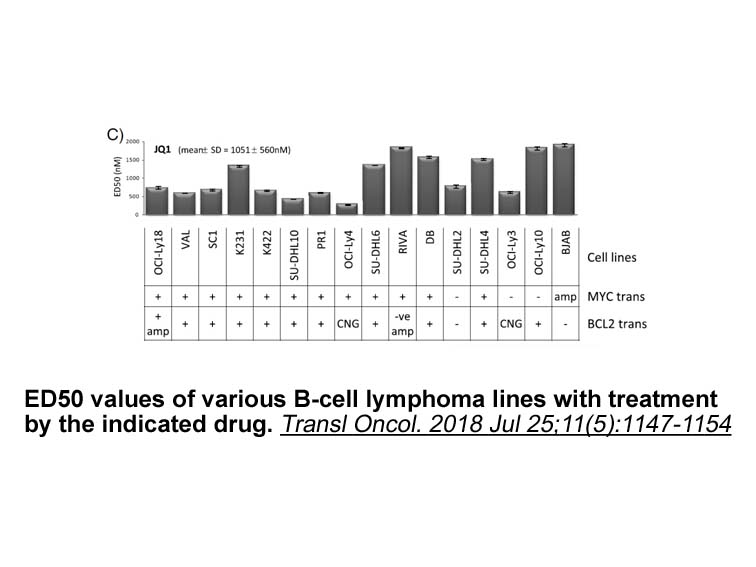
Some of the earliest 12-LOX inhibitors were redox inhibitors, including nordihydroguaiaretic Direct Mouse Genotyping Kit (NDGA), BW 755C, and baicalein 48, 49, 50. Redox inhibitors block the oxidation of the nonheme iron at the cataylytic site, preventing its conversion from the inactive (Fe2+) to
-
br Discussion Missense mutations transversions of
2023-10-24
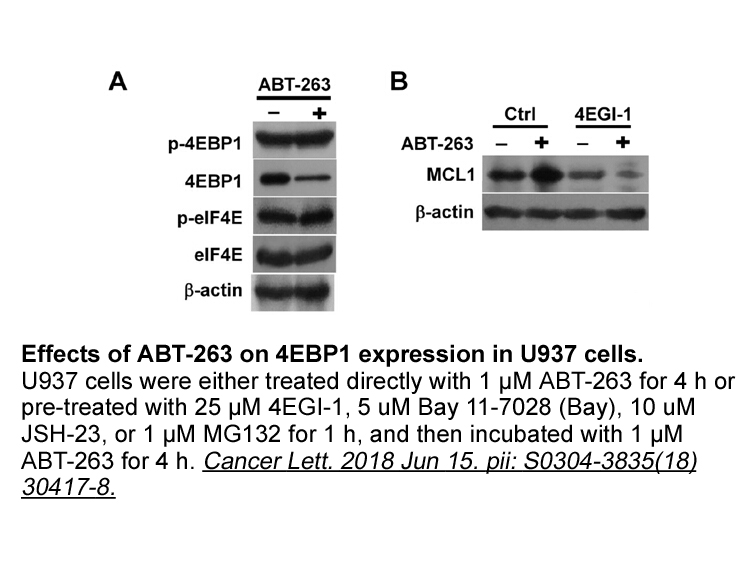
Discussion Missense mutations (transversions) of the first nucleotide of the phenylalanine Annexin V-Cy5 Apoptosis Kit at position 1174 (F1174) of the anaplastic lymphoma kinase gene can result in substitutions to leucine or valine (F1174L/V) while missense mutation (transversion) of the second n
-
Recently a Phase III study demonstrated that alectinib
2023-10-24
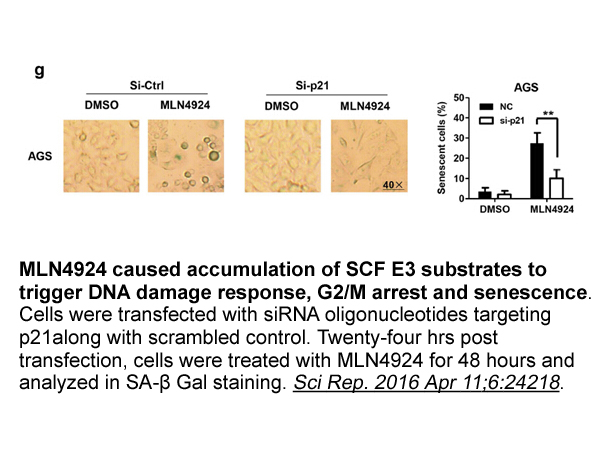
Recently, a Phase III study demonstrated that alectinib, the second-generation ALK inhibitor, might have a better response to ALK-rearrangement patients than crizotinib [10]. Should alectinib replace crizotinib as the frontline treatment for ALK-rearranged patients? Or should those patients be treat
-
The PAS domains of AHR consist of two regions
2023-10-24
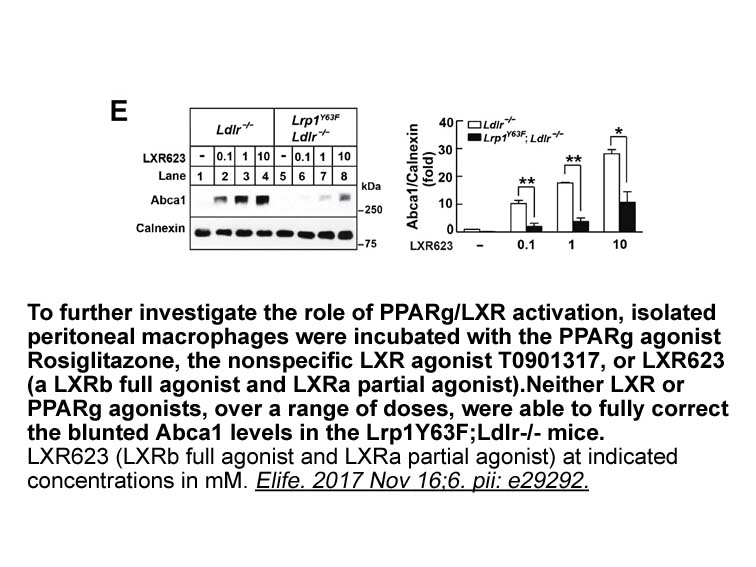
The PAS domains of AHR consist of two regions, PAS-A and PAS-B, which function as interfaces for dimerization with ARNT and for ligand binding, respectively [14]. Although both the bHLH and the PAS-A domains have been shown to be involved in dimerization with ARNT, a recent report suggests that only
-
br Does TIPARP contribute to the diverse species sensitivity
2023-10-24
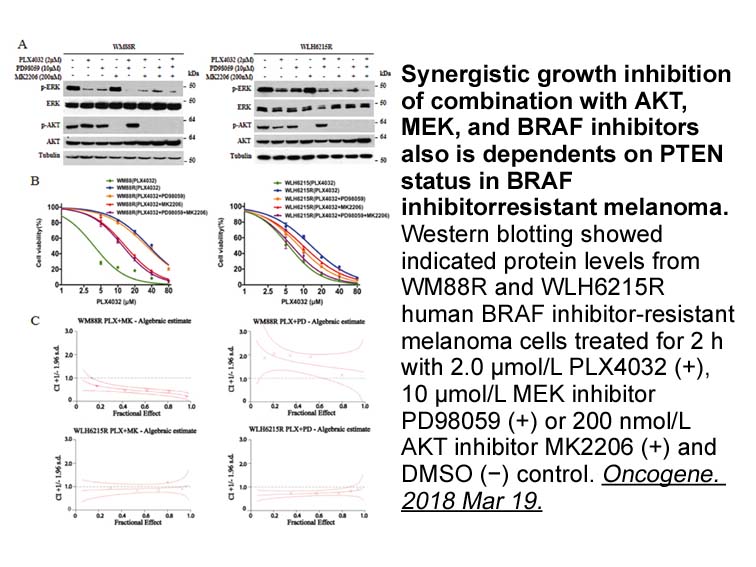
Does TIPARP contribute to the diverse species sensitivity to TCDD toxicity? In chick embryo hepatocytes TIPARP was reported to mediate the TCDD-dependent suppression of hepatic gluconeogenesis, by reducing cellular NAD+ levels and reducing PCK1 expression, suggesting that ADP-ribosylation enhance
-
To further clarify the vascular cell types
2023-10-24
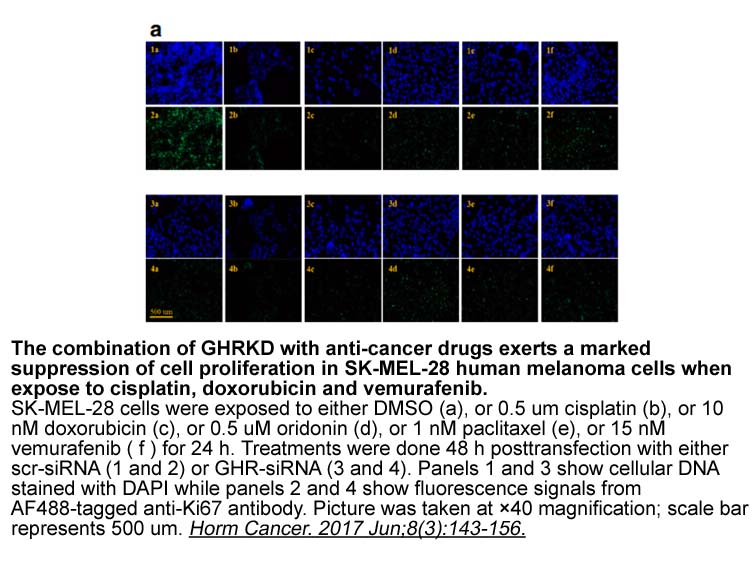
To further clarify the vascular cell types expressing AR subtypes, double immunofluorescence staining for ARs and vascular endothelial SynaptoRedTM C2 or vascular smooth muscles was performed. As shown in Fig. 3, Fig. 4, overlay images show the expression of all ARs subtypes that we examined in vas
-
br Expression of adiponectin mRNA in
2023-10-24
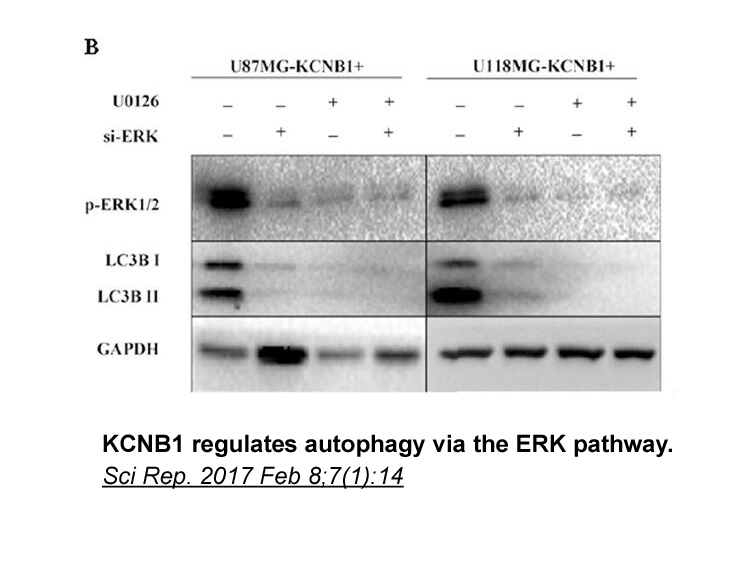
Expression of adiponectin mRNA in chickens We first sought to determine the nucleotide sequence of the chicken adiponectin cDNA. The open reading frame of the chicken adiponectin cDNA consists of 735 nucleotides that was 65–68% homologous to various mammalian adiponectin cDNAs (Maddineni et al.,
-
AZD6738 Notably both circulating adiponectin and adipsin wer
2023-10-24
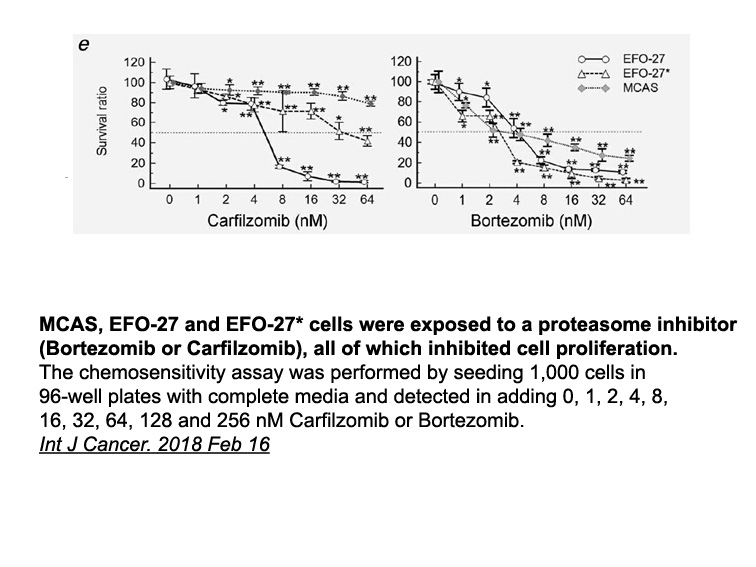
Notably, both circulating adiponectin and adipsin were equally diminished by about 50% in Arfrp1 mice consistent with several studies reporting overlapping trafficking routes for their secretion from 3T3-L1 AZD6738 which was strikingly inhibited upon ablation of TfR-positive endosomes [18,26,33]. I
-
Piperine receptor APPL is highly expressed in
2023-10-24
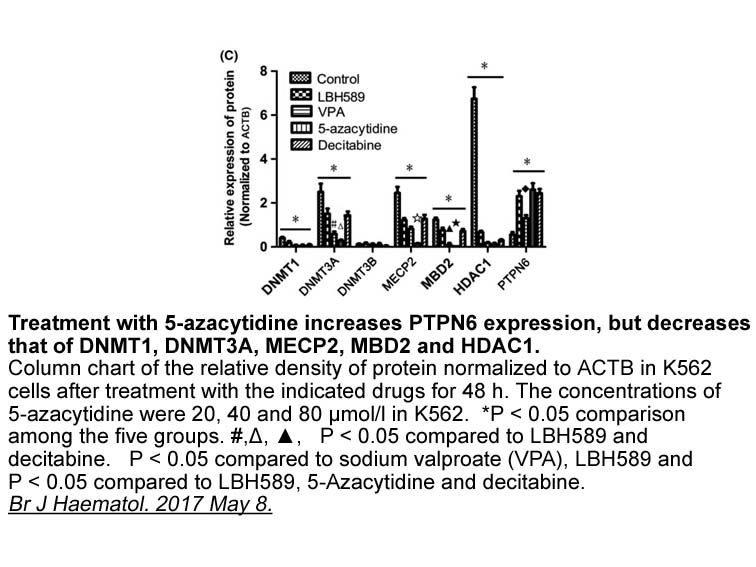
APPL1 is highly expressed in pancreatic β cells, but its levels are significantly decreased in several mouse models of obesity and diabetes, including HFD-induced obese mice and db/db mice [6], [73], suggesting that the dysregulation of APPL1 may be associated with malfunction of the pancreas in obe
-
hydroxydopamine OHDA is a selective catecholaminergic neurot
2023-10-24
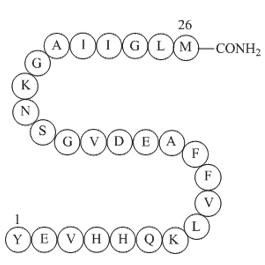
6-hydroxydopamine (6-OHDA) is a selective catecholaminergic neurotoxin mainly used to generate lesions in the nigrostriatal pathway in rats (Ungerstedt, 1968). The most common use of 6-OHDA is via unilateral injection into the rat medial forebrain bundle (MFB). DA depletion, nigral DA cell loss, and
8530 records 292/569 page Previous Next First page 上5页 291292293294295 下5页 Last page